Questions and answers
Fred. Olsen Renewables is proposing a new onshore wind farm that could produce more than 150MW of clean, home‑grown energy, with the final generating capacity dependent on the agreed layout and number of turbines. The layout and final number of turbines will be shaped through consultation with local communities and community representatives, as well as stakeholders including Historic England, Natural England, and the Environment Agency.
The design process will also be guided by a range of technical and environmental studies to help us understand the existing conditions of the site, minimise environmental impacts, and develop appropriate habitat restoration and biodiversity enhancement initiatives.
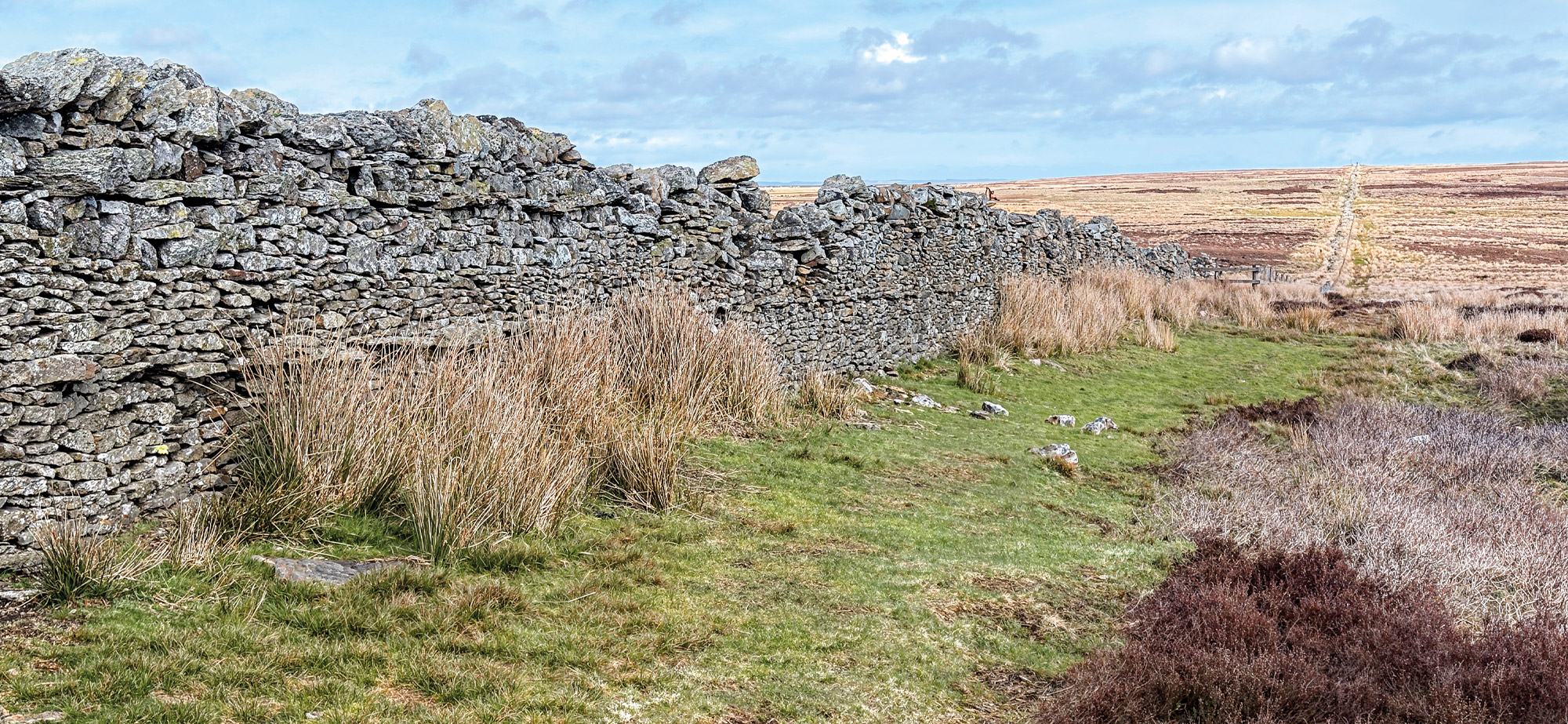
Hope Moor would be located on an area of open moorland to the south of Barnard Castle and north of Richmond, covering approximately 1,111 hectares.
Hope Moor has been identified as one of the best locations in the UK for onshore wind due to its topography and the weather it experiences.
Our current proposed layout includes 23 turbines across the site. This number may be subject to change based on further detailed survey results and engineering considerations.
As the project continues to develop, we will refine the design using feedback from consultees, and the results of our ongoing technical and environmental assessments.
Hope Moor will be designed to avoid and minimise disturbance to peatland wherever possible. Initial surveys show that over half of the site has shallow soils that are not classified as peat, and turbine locations have been carefully selected to avoid areas of deep or higher‑quality peat.
This project offers the opportunity to enhance the degraded and lower-quality peat found on the site, and strengthening the condition of the peatland is one of our core commitments for the project.
We take the potential impact of Hope Moor on birds and other local wildlife very seriously, and we are committed to protecting and enhancing biodiversity onsite.
Research indicates that wind farms have a minimal impact on bird habitats and flight patterns, particularly when viewed alongside wider environmental pressures such as climate change, and that careful positioning of turbines can further limit any effects.
We recognise that the area supports rare and red-listed bird species, and we will undertake detailed environmental and technical surveys to monitor these species and adopt suitable mitigation measures.
No. There is strong scientific consensus that wind farm noise does not harm human health. When turbines are properly sited away from residential areas, any potential noise impacts can be effectively mitigated. Wind turbines are also much quieter than many people expect, with noise levels at around 300 metres often comparable to a quiet household refrigerator.
Although turbines produce very low‑frequency sound, the levels are very low and similar to sounds we experience in daily life. For example, breaking waves and moving traffic both create infrasound. As a result, infrasound from wind farms is not considered a health issue.
While both offshore and onshore wind are vital to meeting the UK’s net zero and energy security goals onshore wind can be delivered more quickly and at lower cost than offshore, with simpler construction and maintenance. For end users, this means clean electricity coming online sooner, improved energy security, and greater price stability by reducing reliance on volatile global energy markets.
Occasionally, the electricity grid needs to be balanced. If power can’t be transported to where it’s needed, grid operators may ask wind farms to temporarily reduce output; this is known as curtailment, and affected sites are compensated.
The good news is that the UK’s Great Grid Upgrade will significantly expand grid capacity over the next five years. Most of these upgrades are expected to come online in the late 2020s or early 2030s, and Hope Moor is not anticipated to become operational until at least the early 2030s.
We are currently in the pre‑application stage of the Development Consent Order (DCO) process. This stage involves early design work including environmental surveys, the development of initial proposals, and engagement with local communities.
Stage one public consultation ran from 6 May to 30 June 2026. Feedback received, alongside ongoing technical and environmental assessments, will be used to further refine our proposals, which will be presented at a second stage of consultation later in the process.
Stage one public consultation ran from Wednesday 6 May until 30 June 2026. This consultation was the first opportunity for local communities to view our initial proposals and share their views. The feedback submitted will be considered alongside surveys and assessments to inform the development of the project.
We will hold a second stage of consultation late 2026 / early 2027, where we will present our refined proposals, and there will be another chance for local people to have their say.
Section 35 of the Planning Act 2008 allows the Secretary of State to direct a development to be treated as one requiring development consent. This means the project can proceed through the Development Consent Order (DCO) process rather than a standard planning application, and the decision on whether to grant consent for Hope Moor will rest with the Secretary of State for Energy Security and Net Zero.
We currently expect to submit our Development Consent Order application in mid 2027, with a decision likely in 2029. Subject to consent being granted, construction could begin in late 2029 or early 2030, with the project becoming operational at the earliest in 2032.
These timescales are indicative and may change as the project develops. They reflect our current best estimates and will be kept under review. We will continue to share updated information with communities and stakeholders at the appropriate stages of the project.